

Connecting disaster impacts to recovery outcomes
Author Jade Busoletti
At its core, disaster recovery exists to address the consequences of an event. Every recovery objective, strategy and action should therefore be traceable to an identified impact. When this connection is unclear, recovery can become activity-focused rather than outcome-driven. This can make it more difficult to:
- determine whether recovery interventions are effectively addressing community needs
- demonstrate the value of recovery investment
- identify gaps across affected communities and environments
- measure progress towards meaningful recovery outcomes.
The most effective recovery frameworks establish a clear line of sight between identified impacts, recovery priorities and intended outcomes. This approach provides an evidence-based foundation for decision-making and helps ensure effort is directed where it is needed most.

Strengthening recovery through planning, evidence and transition
Recovery outcomes can be strengthened before an event occurs. Incorporating an impact identification and assessment tool into pre-event recovery planning provides a structured framework informed by local risks, historical events, community vulnerabilities and lessons from previous disasters. These arrangements should be regularly reviewed and exercised, including testing response-to-recovery transition arrangements and the transfer of impact information into recovery governance structures.
When an event occurs, recovery evidence begins accumulating immediately through damage assessments, operational reporting, community intelligence and field observations. This information helps decision-makers understand not only what has happened, but also the consequences for affected communities, economies, environments and infrastructure.
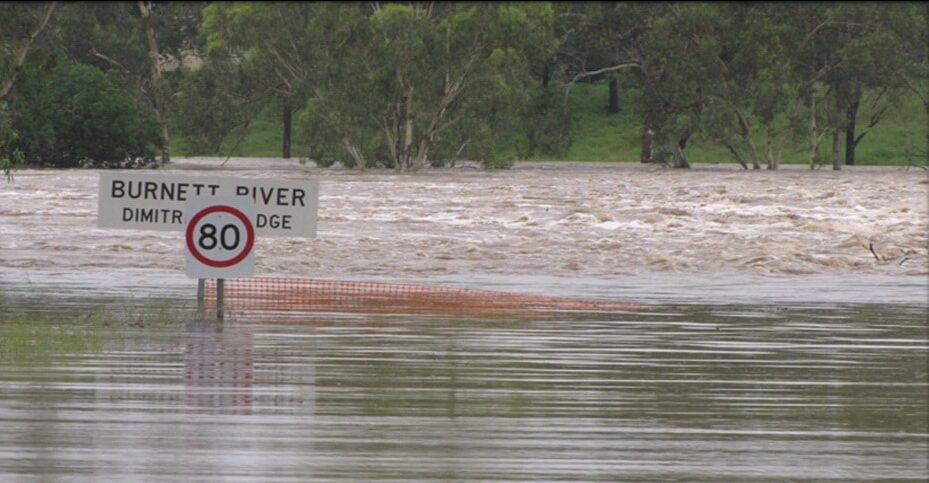
Impact considerations should guide evidence collection rather than constrain it. While planning tools, previous events and response reporting provide valuable indicators, they should not be used to assume impacts do or do not exist. For example, a road closure may identify infrastructure damage, but recovery assessment should also consider broader consequences such as community isolation, disrupted supply chains and reduced access to essential services. Considering impacts across social, economic, environmental and built environment domains helps reduce blind spots and supports more effective recovery planning.
Practical considerations
Organisations seeking to strengthen the connection between disaster impacts and recovery outcomes should:
- maintain a centralised record of identified impacts throughout recovery
- use impact evidence to support funding opportunities and investment decisions
- incorporate locally relevant impact considerations into pre-event recovery planning documentation
- validate response-to-recovery transition arrangements through exercises and scenario testing
- regularly reassess impacts to identify longer-term or secondary consequences
Strong recovery outcomes rely on strong evidence. By methodically identifying, documenting and reassessing disaster impacts, organisations can make more informed decisions, strengthen funding advocacy and ensure recovery efforts remain aligned with the evolving needs of affected communities.
Free recovery planning template
Yellow Company’s Recovery Planning Template helps to connect and assess disaster impacts with recovery objectives, actions and outcomes. Designed for both pre-event and post-event planning, it supports a structured, evidence-based approach to recovery.
(Image & link to download)
Contact our team for a complimentary consultation on recovery planning support and capability development.